- 1831, Electrical Market, Bhagirath Place, Chandni Chowk, Delhi- 110006
- +91-9311213075
- +91-9625813075

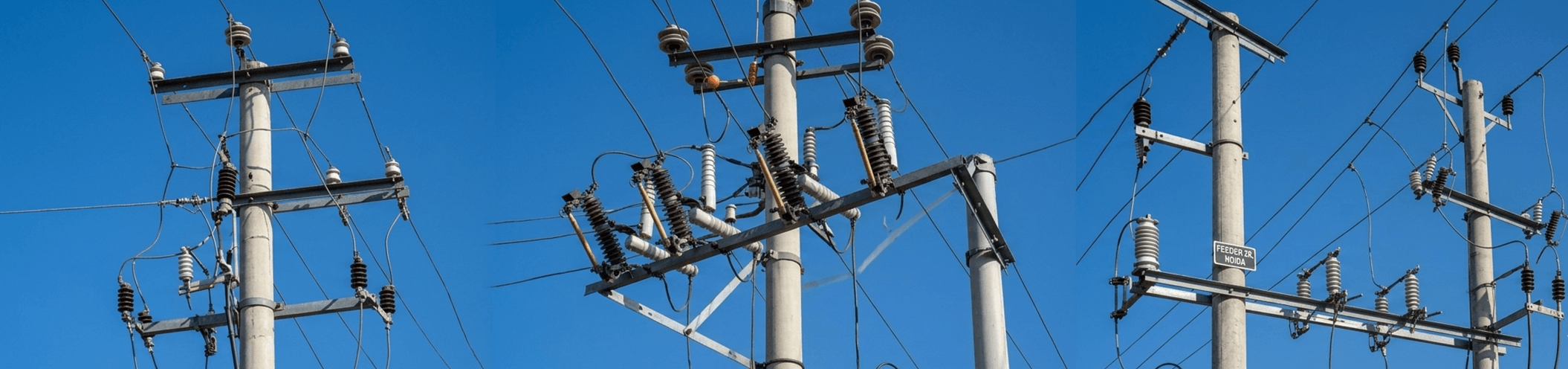
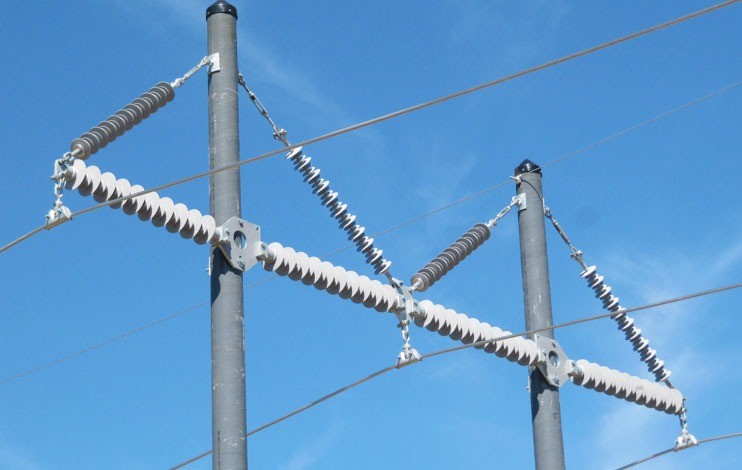
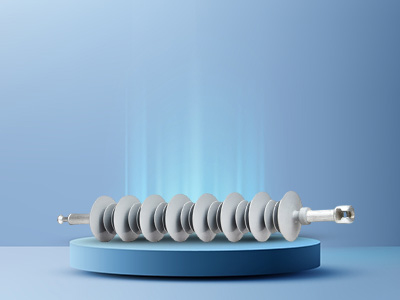
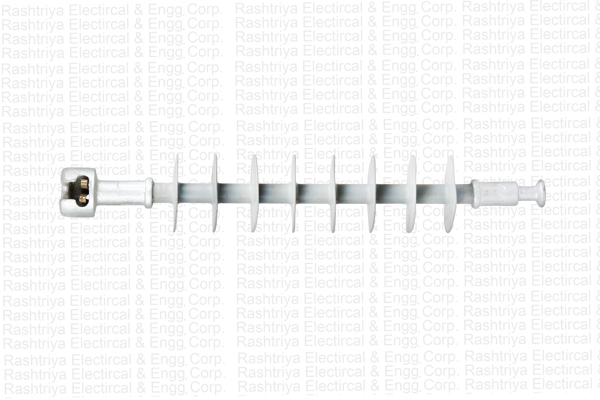
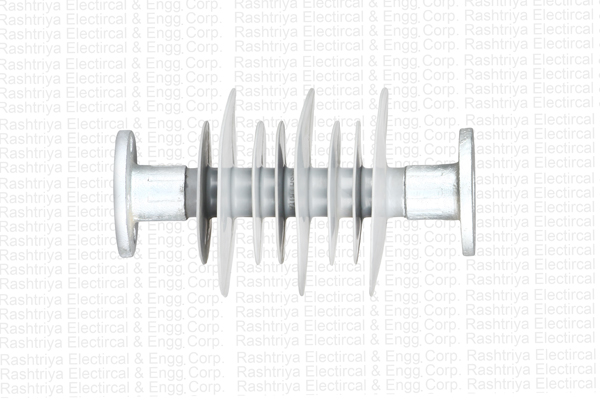
A polymer insulator is a type of electrical insulator made from polymer-based materials, designed to provide mechanical support and electrical insulation in power transmission and distribution systems. Unlike traditional ceramic or glass insulators, polymer insulators are lightweight, flexible, and resistant to environmental stress.
A polymer insulator, also known as a composite insulator, is an advanced type of electrical insulator widely used in modern power systems. It is made from synthetic polymer materials instead of traditional porcelain or glass, offering improved performance in harsh environmental conditions.
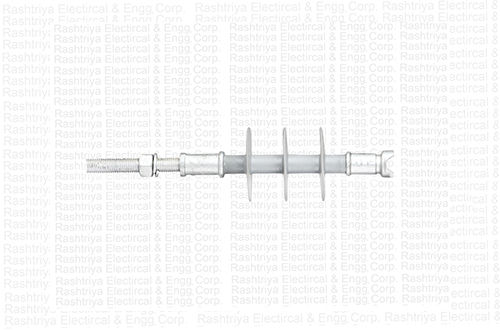
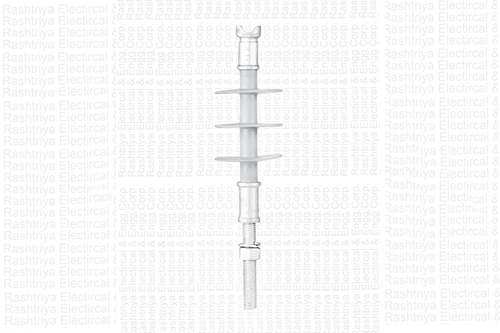
Polymer insulators typically consist of three main components:
Core (Rod): Usually made of fiberglass-reinforced plastic (FRP), providing mechanical strength.
Housing (Sheath): Made from silicone rubber or other polymer materials, offering protection against moisture, pollution, and UV radiation.
End Fittings: Metallic components attached to both ends for mounting and connection.
Polymer insulators have become increasingly popular due to their superior performance, durability, and ease of handling. With ongoing advancements in material technology, they continue to replace traditional insulators in modern electrical systems.
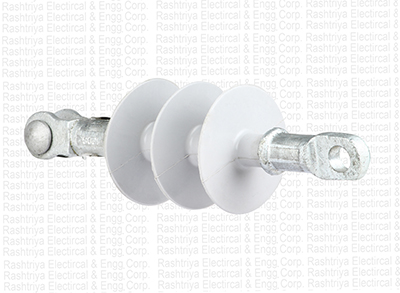
An 11 kV polymer insulator is a critical component used in medium-voltage power distribution systems to support and insulate electrical conductors. Designed for overhead lines operating at 11 kilovolts, these insulators ensure safe and reliable transmission by preventing unwanted current flow to the ground or supporting structures.
Unlike traditional porcelain or glass insulators, polymer insulators are made from a combination of fiberglass core, silicone rubber housing, and metal end fittings. This construction provides excellent mechanical strength along with superior electrical insulation properties. The silicone rubber outer layer offers high resistance to environmental stresses such as UV radiation, pollution, moisture, and extreme weather conditions.
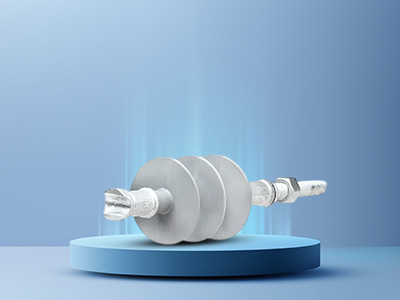
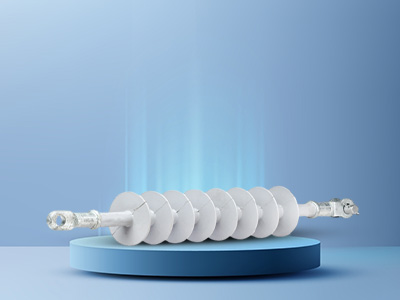
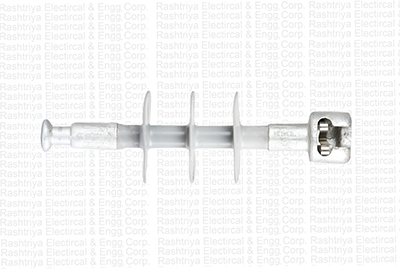
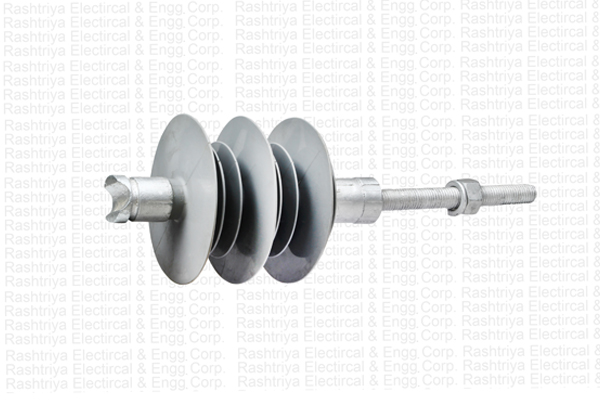
A 33 kV polymer insulator is designed for use in medium-voltage power distribution and transmission systems, providing reliable insulation and mechanical support for electrical conductors. It ensures safe operation by preventing leakage currents and electrical faults.
These insulators are manufactured using a strong fiberglass reinforced plastic (FRP) core, covered with high-quality silicone rubber housing, and fitted with corrosion-resistant metal end fittings. The silicone rubber surface is naturally hydrophobic, helping to repel water, reduce contamination buildup, and minimize the risk of flashovers in polluted or wet conditions.
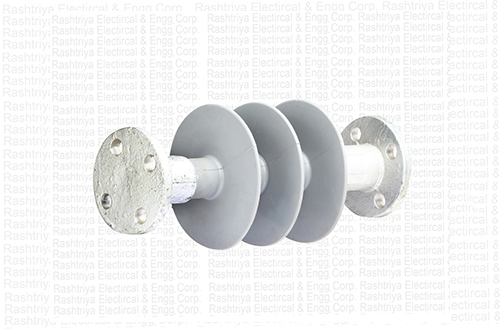
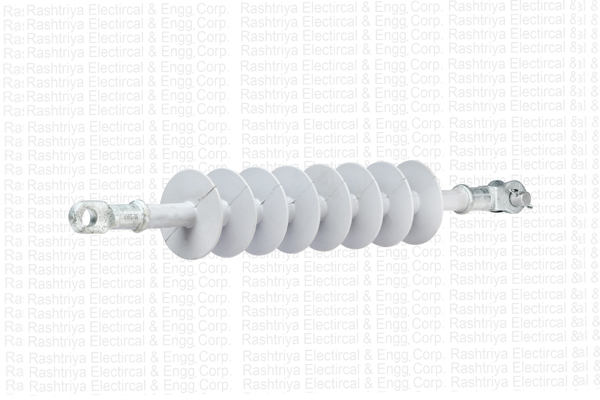
A 66 kV polymer insulator is used in high-voltage power transmission and sub-transmission systems to provide effective electrical insulation and mechanical support for conductors. Designed for networks operating at 66 kilovolts, these insulators help ensure safe and reliable power flow by preventing leakage currents and electrical flashovers.